During 2025, the Sudan Regional Refugee Response Plan for Chad required approximately USD 701.3 million to respond to the needs of Sudanese refugees, returning Chadian nationals and vulnerable host communities. Available reporting indicates that approximately USD 170.7 million was received, although the precise funding total may vary depending on the reporting date and classification of contributions.
For 2026, the regional refugee response plan for Chad identified approximately USD 567.7 million in funding requirements. At the same time, Chad's broader Humanitarian Response Plan required approximately USD 986 million to address the needs of around 3.4 million people. These are separate but overlapping humanitarian frameworks and should not be added together as independent funding resources.
One of the most important issues is how these resources are distributed and how much actually reaches organisations working directly with affected communities. Available 2025 funding records suggest that national NGOs received a relatively small proportion of reported humanitarian funding compared with UN agencies and international NGOs. For example, approximately USD 7.88 million was reported for national NGOs under the Global Humanitarian Overview, alongside other funding recorded through different channels. These figures cover the wider humanitarian response in Chad and should not be interpreted as funding exclusively allocated to Sudanese refugees.
This raises important questions about transparency, local ownership and the implementation of the humanitarian localisation agenda. SVO, together with many other refugee-led and locally led organisations and community initiatives, is interested in understanding how international humanitarian funding is mobilised, allocated and distributed. There is a genuine need to know how much funding is allocated to different regions, sectors and refugee camps, which organisations receive these resources, and how much actually reaches national, refugee-led and community-based initiatives working directly with affected populations.
For organisations operating in eastern Chad, particularly in Wadi Fira, Ouaddaï, Sila and Ennedi-Est, access to this information is essential. It would help local initiatives understand humanitarian priorities, identify gaps in assistance, explore partnership opportunities and strengthen their contribution to the response. It would also provide a clearer picture of whether the resources mobilised internationally are reaching the communities and grassroots initiatives closest to the crisis.
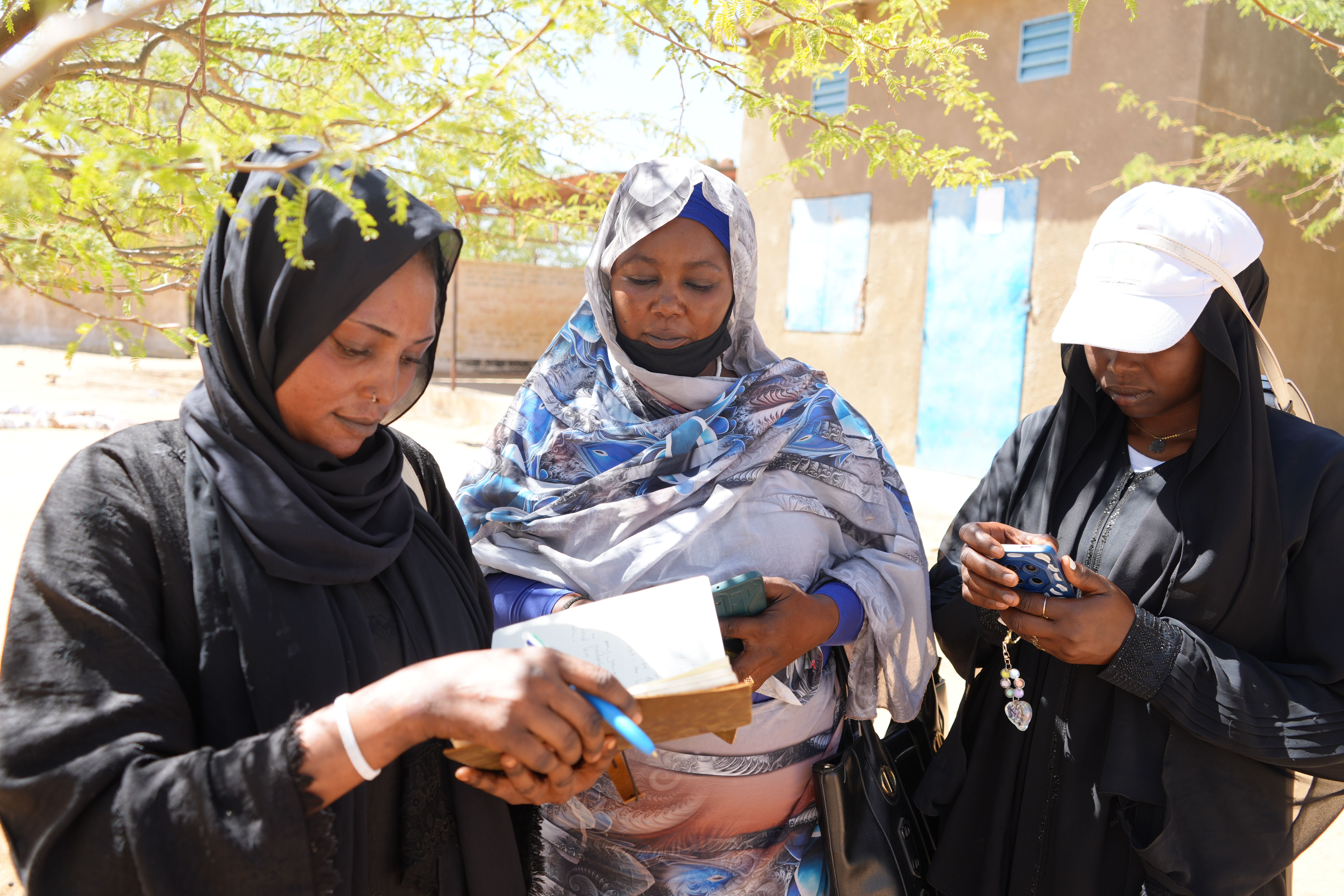
SVO approaches this discussion from its identity and roots as a refugee-led and locally led organisation, deeply grounded in the Sudanese community, including Sudanese refugees in eastern Chad, the diaspora and communities inside Sudan. Its understanding of humanitarian needs comes from lived experience, long-standing community relationships and direct engagement with people affected by displacement and conflict. This grassroots connection is central to SVO's work and its understanding of the challenges facing Sudanese refugees and their communities. It is not simply about delivering humanitarian activities, but about ensuring that the voices, knowledge and priorities of affected communities shape the response.
The humanitarian situation in eastern Chad extends far beyond emergency food assistance. Women and girls require safe spaces and protection services, survivors of gender-based and conflict-related sexual violence need sustained support, children need access to dignified education, and young people need meaningful opportunities to participate in community life and rebuild their futures. Refugee communities also need better access to healthcare, water and sanitation, psychosocial support, livelihoods and opportunities for self-reliance.
The 2026 regional response plan reflects these priorities through substantial allocations for food security, health, nutrition, protection, WASH, education and economic inclusion. However, having a sectoral budget does not necessarily mean that communities receive the services they need. The effectiveness of the response ultimately depends on how funding is translated into accessible, accountable and sustainable programmes.
The people closest to the crisis should not remain the last to know how humanitarian resources are distributed, the last to participate in decisions, or the last to benefit from the funding mobilised in their name.
For SVO and many other refugee-led and locally led initiatives, the central question is therefore not simply how much money the international community has mobilised. It is also about who receives the funding, who makes the decisions, whose priorities are considered and whether resources reach the people and communities for whom they were intended.
There is a growing need for OCHA, UNHCR, other UN agencies, international NGOs and donors to provide greater transparency regarding funding allocations during 2025 and 2026. This should include information about resources allocated to individual regions, refugee camps, sectors and organisations, as well as the proportion of funding reaching national, refugee-led and locally led initiatives directly.
Ultimately, refugee-led and locally led initiatives should not be viewed merely as beneficiaries, subcontractors or implementing partners. They are part of the communities themselves. They understand the realities, maintain relationships long after emergency interventions end and often continue working when resources and international attention decline.
Such transparency would help grassroots organisations understand the humanitarian financing landscape, identify opportunities for collaboration and participate more meaningfully in shaping the response. It would also help ensure that local knowledge and community leadership are recognised as essential resources in humanitarian action.
Those closest to affected communities should also have a meaningful voice in deciding how humanitarian resources are prioritised, allocated and used. Refugee leadership and local ownership must be reflected not only in humanitarian strategies, coordination meetings and policy commitments, but also in the actual distribution of financial resources and decision-making power.
Humanitarian assistance should not create permanent dependency. It should restore dignity, strengthen communities and create opportunities for people to rebuild their lives.
The objective should be to move beyond repeatedly managing displacement towards investing in the knowledge, leadership, capacity and potential that already exist within refugee and local communities.
Support our causes
Your support matters! Join us in making a difference today.
Share this cause:


